UNAM orders 58,000 students to retake AI-proctored exam.
After an AI-proctored remote entrance exam for Mexico's UNAM led to a massive spike in top scores, 58,000 applicants must retake it in person, highlighting the limits of automated proctoring.
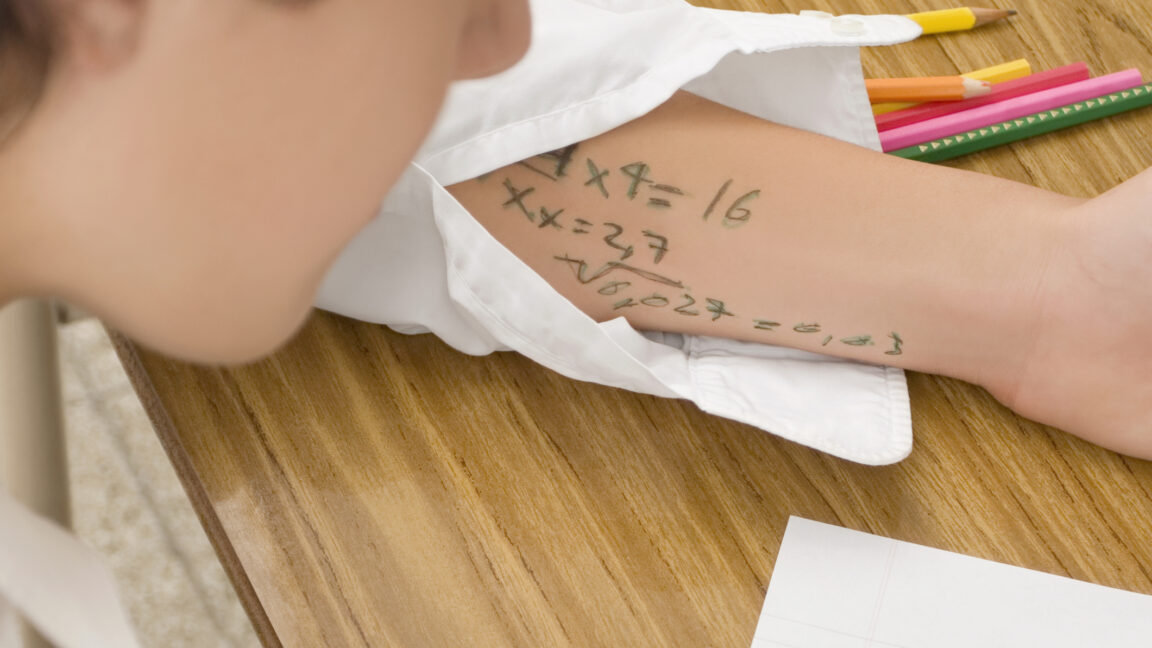
Mexico's largest university, UNAM, is forcing about 58,000 applicants to retake its entrance exam in person after a remote testing trial failed to prevent suspected widespread cheating. Earlier this summer, nearly 160,000 applicants took the 120-question test online between late May and early June. To secure the test, UNAM deployed the LockDown Browser from Respondus alongside an AI-powered webcam proctoring system from Territorium. Despite these tools and a ratio of one human supervisor for every 150 applicants, the results showed an impossible surge in high scores.
Historically, between 2021 and 2025, only 3.5 percent of test takers scored 100 or more, and a mere 0.9 percent scored 110 or more. This year, those figures skyrocketed to 16.3 percent and 5.5 percent, respectively. Although UNAM canceled nearly 2 percent of the exams for misconduct, AI expert Raul Rojas estimated that "almost half of the students were cheating" during the online session. Methods included placing monitors outside the camera's field of view to access ChatGPT or other AI models, hiding earphones, or hiring proxies.
To address the anomaly, a specialized group named la Comisión Técnica de Personas Expertas para la Revisión del Proceso de Selección de Ingreso a Licenciatura para el Ciclo Escolar 2026-2027/1 recommended an in-person "control exam." This mandatory retest impacts those who qualified this year and anyone admitted under minimum score thresholds since 2021. With classes scheduled to begin on August 10, the university must move rapidly to administer the physical exams.
For AI practitioners and educational technology developers, this failure is a stark reminder of the limitations of computer-vision proctoring. Relying on automated systems to flag gaze shifts or restrict browser environments is insufficient when students can easily bypass webcams with external hardware or secondary screens. This incident demonstrates that high-stakes testing still requires physical, human-supervised environments, as current AI-driven security measures cannot reliably guarantee academic integrity at scale.
This is our own summary of reporting by Ars Technica AI