Chinese startups dominate humanoid robot patent rankings
Chinese startups now hold six of the top ten private humanoid robotics patent portfolios globally, signaling a massive shift in the intellectual property landscape for next-generation automation.
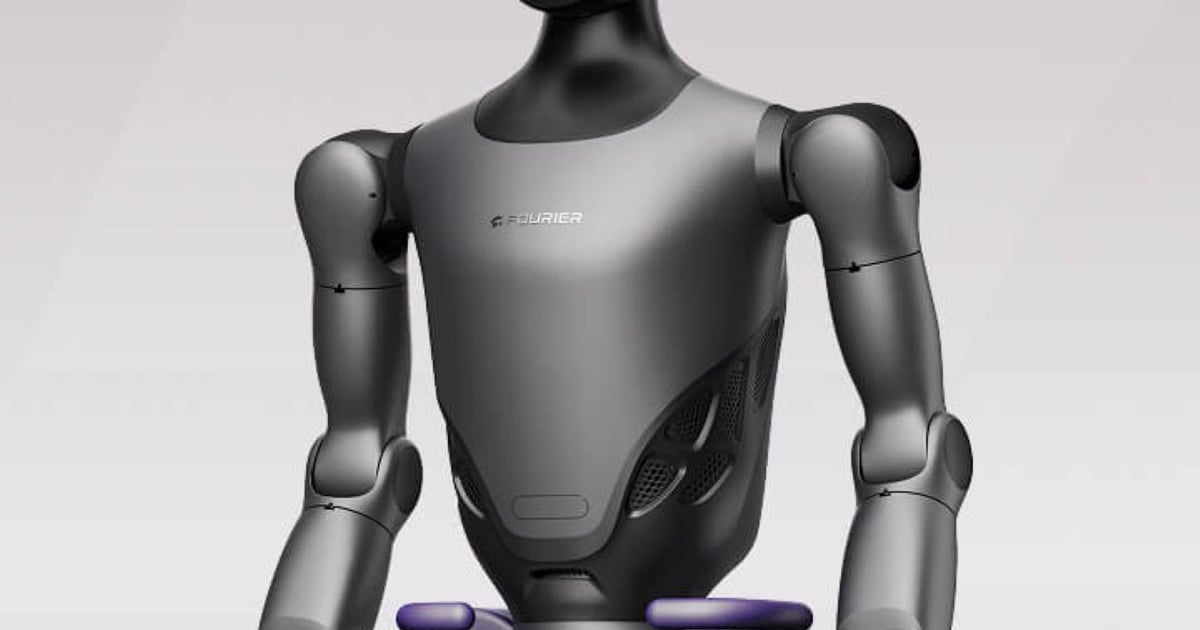
A new analysis by LexisNexis Intellectual Property Solutions reveals that Chinese companies now control six of the world's ten strongest private humanoid robotics patent portfolios. Evaluating bipedal humanoid robot developers across interaction systems, morphology, and control and planning architectures, the firm ranked Shanghai-based Fourier in the top spot. Fellow Chinese startups Agibot and LimX Dynamics claimed second and third place, respectively. Other Chinese firms securing spots in the top ten include Pudu Robotics, Unitree Robotics, and Leju Robotics. The remaining positions are held by Germany's Agile Robots and U.S.-based developers Figure AI, Apptronik, and Agility Robotics.
This intellectual property surge aligns with massive commercial expectations for the sector. Industry forecasts cited by LexisNexis project that the humanoid robotics market could generate between $38 billion and $200 billion in annual revenue by 2035, with Goldman Sachs predicting the production of 1.4 million humanoid robots in that year alone. China's dominance is underpinned by a decade of aggressive research; over the past ten years, Chinese patent activity grew approximately fivefold in control and planning architectures, roughly 2.5 times in robot morphology, and about twofold in interaction systems.
For robotics practitioners and AI developers, this patent onslaught signals a shifting competitive landscape where Chinese firms are moving beyond manufacturing scale into foundational R&D. While some analysts caution that translating patents into commercial success remains difficult, others warn that Western complacency could lead to irrelevance. To maintain an edge, practitioners must focus heavily on embodied AI—the critical decision-making brain of the robot—followed by locomotion. Although the U.S. has historically led in hardware quality, processors, and foundation models, the rapid proliferation of open-source AI models for humanoids is leveling the playing field, allowing fast-moving Chinese competitors like Agibot, Unitree, and UBTech to rapidly close the gap.
This is our own summary of reporting by AI Business