DeepMind's WeatherNext AI predicts hurricanes a day earlier
Google DeepMind's WeatherNext AI predicts hurricane paths and intensity with an extra day of lead time, giving emergency services crucial additional time to prepare for catastrophic storms.
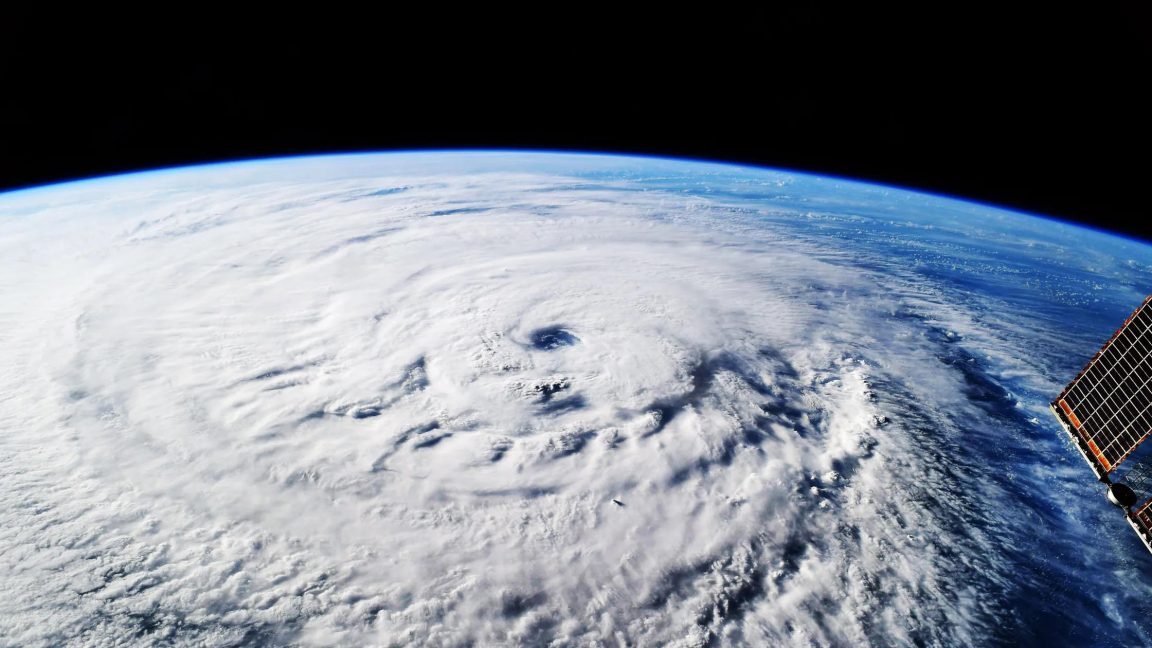
Google DeepMind and Google Research have introduced WeatherNext, an artificial intelligence model that predicts tropical cyclones with unprecedented accuracy. Published in the journal Nature, the research demonstrates that the AI provides forecasters with an average of one additional day of lead time. This means its three-day forecasts match the accuracy of traditional models' two-day outlooks. Historically, achieving such a leap in forecasting window has required an entire decade of scientific development.
During its real-time deployment in October 2025, WeatherNext successfully predicted that Hurricane Melissa would strike Jamaica as a Category 5 storm. Five days before landfall, the model issued this prediction with 80 percent confidence, marking the first time the National Hurricane Center forecast a Category 5 storm while it was still only a Category 1. While traditional AI models struggle with predicting storm intensity due to a lack of extreme cyclone training data, DeepMind trained WeatherNext on both general weather and cyclone datasets. Surprisingly, the model achieves these results using relatively coarse, lower-resolution atmospheric data, a feat that has surprised meteorologists.
For meteorologists and emergency planners, this extra day of warning is invaluable for organizing evacuations and staging supplies. To account for atmospheric unpredictability, WeatherNext has scaled its output from generating 50 scenarios per storm last year to 1,000 scenarios today, a computational feat impossible with traditional numerical models. Mike Brennan, director of the National Hurricane Center, noted that "time is really golden" for these critical decisions, though he emphasized that human experts must still translate these forecasts into local impact assessments. To foster further scientific discovery, Google DeepMind has open-sourced the WeatherNext models for the global research community.
This is our own summary of reporting by Ars Technica AI