School seeks dismissal of lawsuit over student AI nudes
Lancaster Country Day School has moved to dismiss a lawsuit over its handling of AI nudes targeting 59 students, highlighting a critical debate over institutional liability for deepfakes.
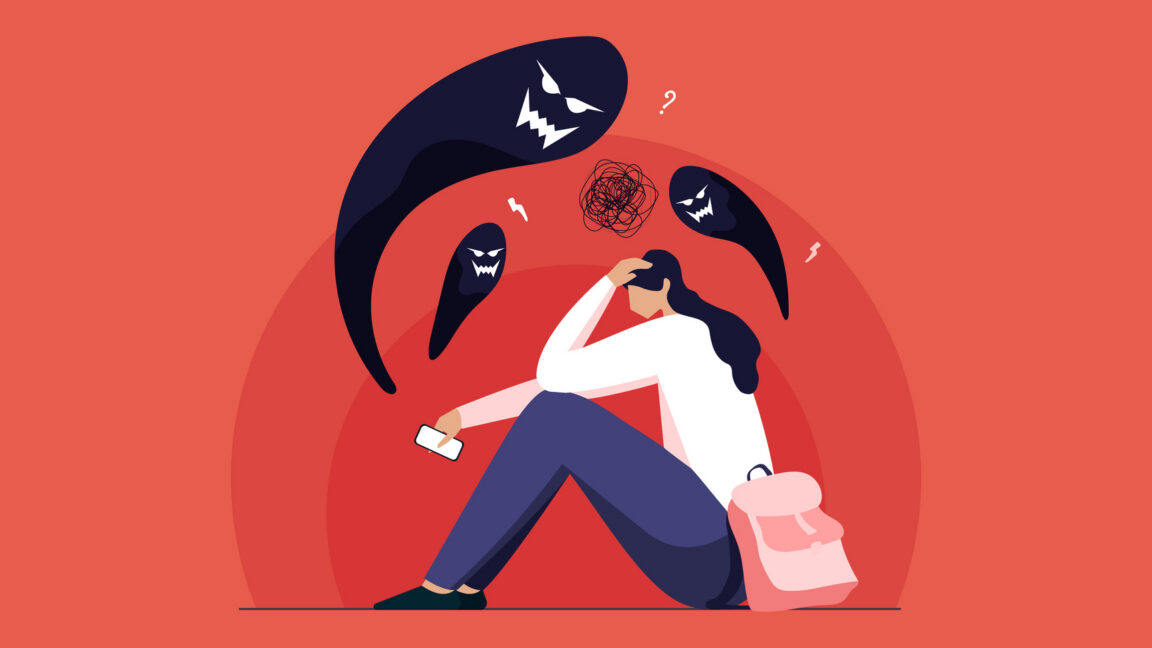
Lancaster Country Day School, a private K-12 institution in Pennsylvania with fewer than 600 students, has filed a motion to dismiss a lawsuit brought by victims of AI-generated deepfake nudes. The legal action follows an incident where two male students created explicit AI images of 59 female classmates. The boys eventually pleaded guilty to 59 felony counts of sexual abuse of children, receiving probation and 60 hours of community service. However, the victims argue the school stayed silent for months, failing to protect them and discouraging them from contacting local police.
In its defense, the school argues it had no legal obligation to report the situation to local police. Represented by attorney Rory Connaughton, the school maintains that the initial tip came from the state Attorney General's office and lacked specific victim names. Furthermore, the school asserts that the digital creation occurred entirely off-campus without using school equipment. The defense also points to a loophole in Pennsylvania law, arguing that state child abuse reporting mandates do not currently cover AI-generated pornography, a gap that state lawmakers are currently trying to close following a separate incident where a middle school student targeted 11 classmates.
For educational administrators and AI safety practitioners, this case highlights a critical shift in how institutional liability is evaluated in the age of generative AI. It demonstrates that schools can no longer treat off-campus digital harassment as outside their purview without risking severe legal and reputational backlash, including Title IX lawsuits for deliberate indifference. Practitioners must proactively establish clear reporting protocols and update student conduct policies to explicitly address synthetic media, rather than waiting for state legislatures to close existing statutory loopholes.
This is our own summary of reporting by Ars Technica AI