RFK Jr. claims AI will free public from medical experts
Health Secretary Robert F. Kennedy Jr. praised artificial intelligence as a tool to bypass traditional medical authority, despite top AI models directly contradicting his health claims.
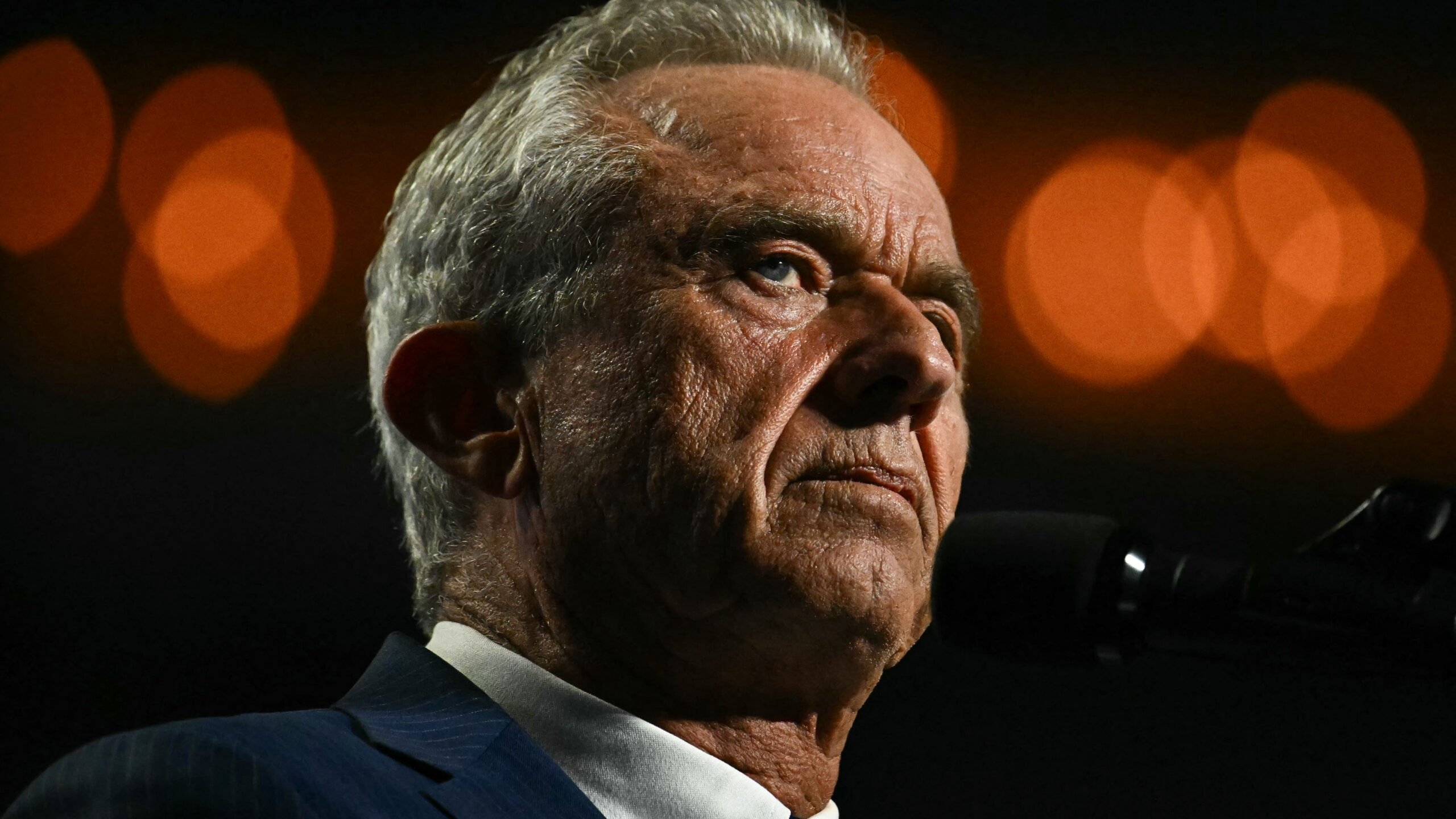
Speaking at a Make America Healthy Again event at the Waldorf Astoria in Washington, D.C., Health Secretary Robert F. Kennedy Jr. championed artificial intelligence as a tool to liberate Americans from what he termed "medical tyranny." During a discussion with Vice President JD Vance, Kennedy asserted that the incoming Trump administration is working to make AI accessible to everyone, allowing citizens to bypass traditional medical consensus. He claimed that AI is better informed than any doctor and predicted the technology would validate his controversial views on public health, such as questioning the efficacy of masks, social distancing, and vaccines.
However, actual queries to leading AI models show they directly contradict Kennedy's assertions. When tested on these topics, Google's Gemini and OpenAI's ChatGPT both affirmed that masks reduce the spread of respiratory diseases, social distancing is an effective public health measure, and vaccines can prevent infection and transmission. Kennedy acknowledged some downsides to the technology but cited OpenAI CEO Sam Altman, who reportedly stated that it would soon be malpractice for doctors to prescribe or diagnose without consulting AI.
The event's pro-AI stance aligns with its corporate backing, which has drawn criticism from some of Kennedy's traditional allies. The summit was sponsored by AI developers OpenAI and Anthropic, alongside corporate giants like Walmart, UnitedHealth, Elevance, Hims & Hers, and cancer-screening firm Grail. Sponsorship packages cost up to $300,000, offering buyers speaker slots and private dinners with Kennedy and Mehmet Oz, the head of the Centers for Medicare & Medicaid Services. Critics like fringe scientist Robert Malone condemned the event, arguing it represents the very corporate influence MAHA originally promised to fight.
For AI practitioners and medical software developers, this political spotlight highlights a growing tension. While political figures may frame AI as a tool to challenge established scientific consensus, the actual guardrails and training data of models like Gemini and ChatGPT remain firmly aligned with mainstream medical science. Developers must navigate this gap between political rhetoric, which positions AI as a populist alternative to expertise, and the clinical reality where AI is designed to assist, not replace, qualified medical professionals.
This is our own summary of reporting by Ars Technica AI